My time away from tech (2026)
September 28, 2026
In December 2025, my wife and I decided it would be good for me to take a career break and focus a little more on myself. The stress of working at an early-stage startup since 2021 really took a toll on me, and I felt super burned out in the months leading up to my decision. We did some financial number-crunching and found that we could both afford not to work for up to a year. We decided to bite the bullet and commit.
Those 9 months away from work were transformative. I took a solo trip to climb Kilimanjaro. I traveled to China for a few months to see my family. And I finally got to try lots of different side projects that were on my plate. I finally got the freedom to really focus on myself!
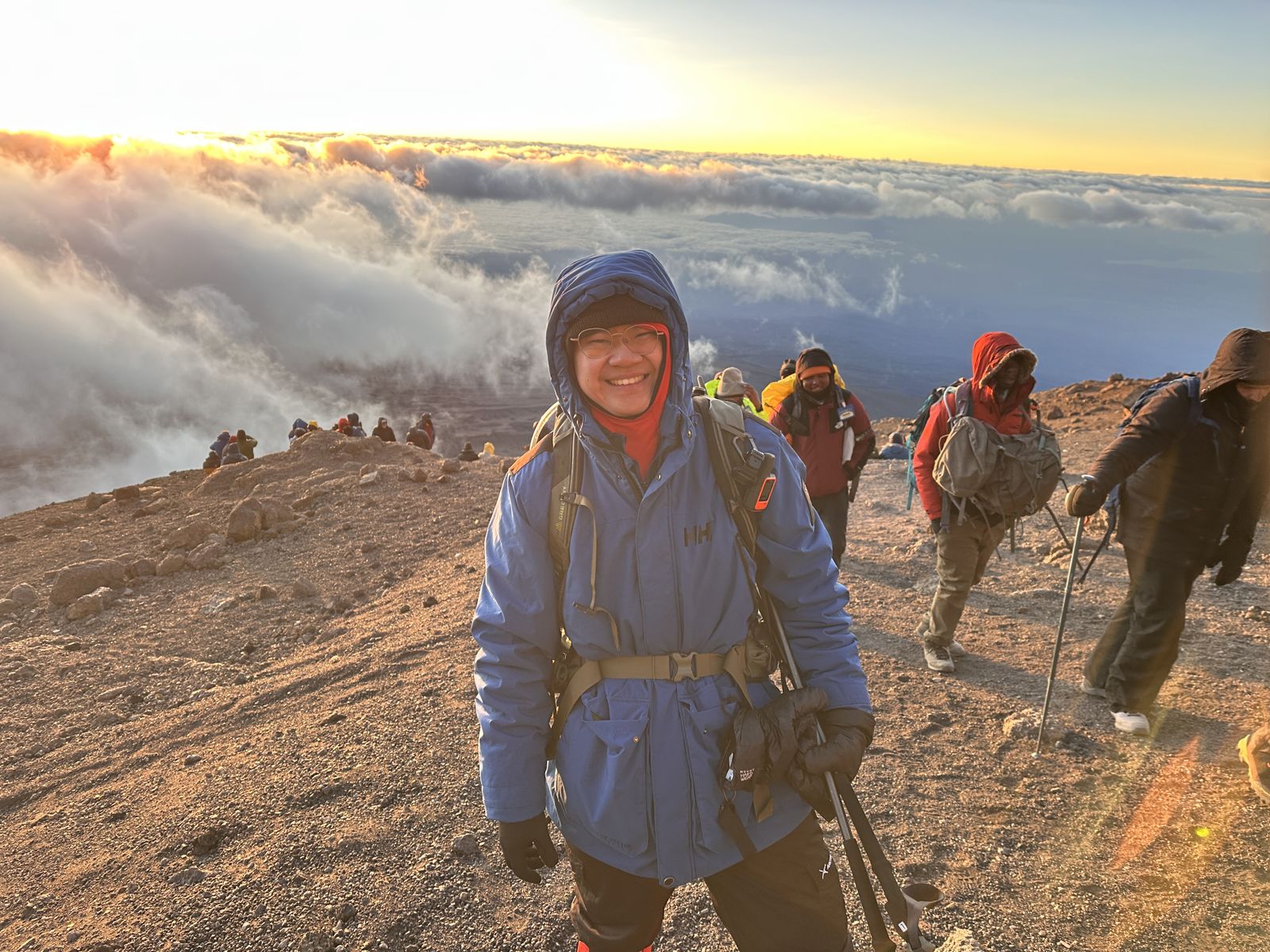
I gained a lot of perspective during this time and made a few realizations. Here are the big thoughts below.
On AI Advancements
When I left work in December, Opus 4.6 just came out. I was very impressed with its capabilities, and wondered how much further AI would advance by the time I decided to return to the industry. Funny enough, within the first month of my break, OpenClaw came out and shook the tech industry to its core. Suddenly, coding agents weren’t enough, and people were saying their OpenClaw agents were the next big thing you couldn’t miss out on. I remember thinking, “Did I make a big mistake?”
Months went by. More models came out. OpenClaw peaked and then declined in popularity. Codex was shown in the Super Bowl commercials. Opus became the old coolness, Fable became the new one.
By the time I started my new job around two weeks ago, I got back up to speed rather quickly: I fired up Claude Code again and went back to work. Yes, I was very impressed with Fable for a few of my first tasks, and I set up Claude-in-Chrome and tried a few new skills. After such a long time away, I picked up back where I left off in pretty much no time.
My point with all of this is that a lot of the innovations in AI these days are noise, and sometimes you don’t know it’s noise until it’s a good distance behind you. I think a lot of people who are deep in the AI bubble feel overwhelmed about every major “innovation,” but the truth is, time is the ultimate test of utility.
I think certain tools (like Claude Code, Codex, and Cursor) are here to stay, but everything else was just a shiny, cool thing that ultimately distracted from the real work engineers need to do.
Also, I think it’s under-appreciated how much inertia there is when it comes to AI tooling in this economy. I live in Philadelphia, and if you’re not actively working in tech and are just out and about every day, people rarely talk about AI and agents the way they do on HackerNews.
On the nature of work
At the height of my burnout, I would daydream about traveling a lot. There’s a sense of freedom you only get by traveling, and part of the appeal is just being away from the problems that cause you so much stress.
However, when you’re not working and you’re traveling, you’re keenly aware of how much money you’re spending every day. You suddenly take your budgeting tools much more seriously and are aware of how much money you really need to be happy. I think that, around month six, my relationship with money started to become less toxic. I used to have a very title- and money-driven personality. But being away from the thing that gave you a title and money made me realize what was actually important to me when I did not have them: slowing down, having some time for myself, and the people around me.
When I climbed Mt. Kilimanjaro, I met two brothers from France. One of them told me something that’s hardened into a principle: if your personal, family, and work lives are all balanced, you will be a very happy person. I reflected on that and realized how much work had consumed me while I was in San Francisco, and that I was very much out of balance. Moving forward, I vowed to set good boundaries and make sure each slice of my life had a fair share.
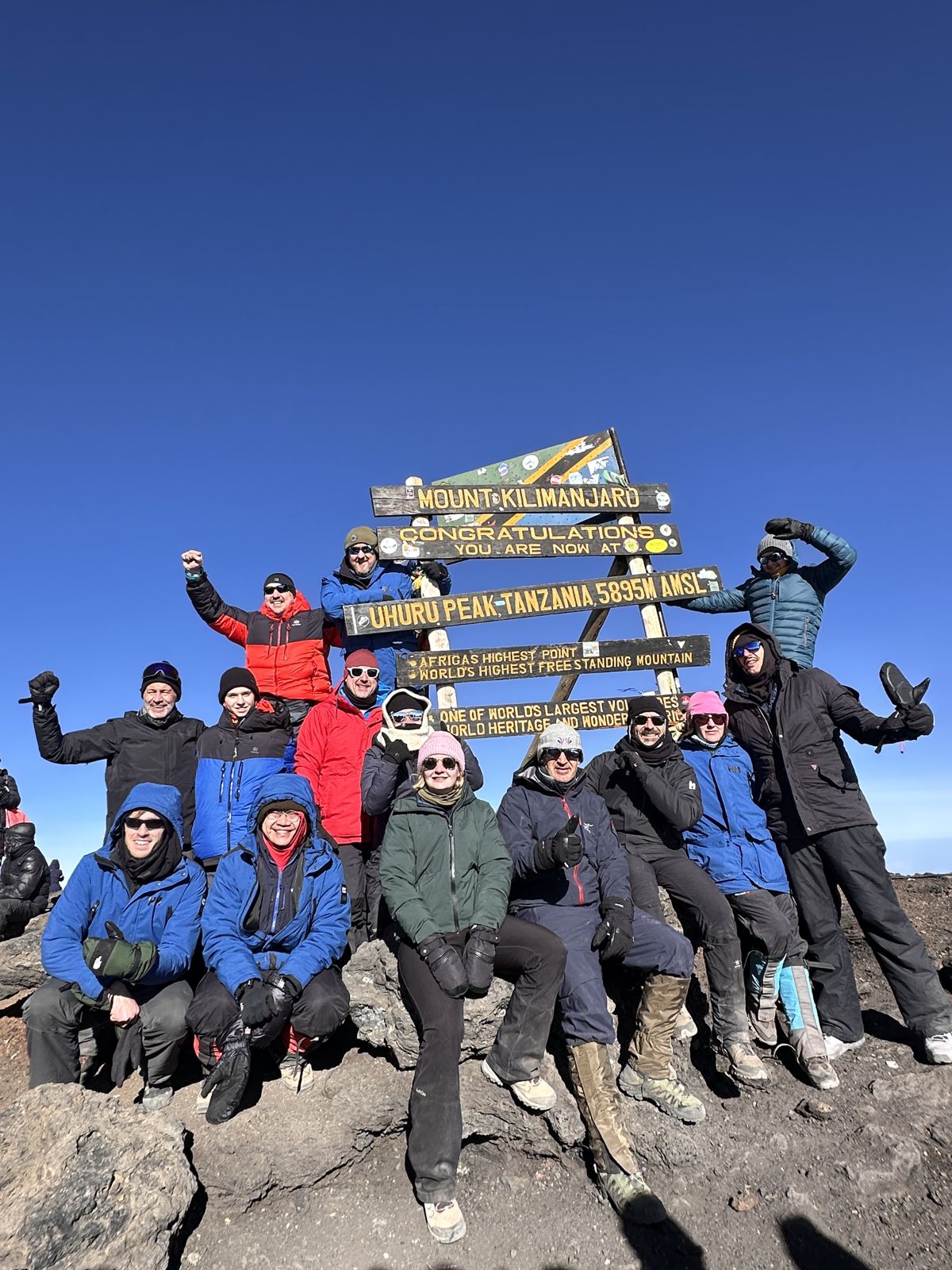
On top of the roof of Africa with my group. They are incredible people.
At the same time, towards the middle of my break, I started to get bored. I started coding up an app on my own, which was hard, and didn’t get much traction. It wasn’t hard because of the coding (especially with AI tools). It was hard because of all of the non-coding things that I didn’t have any experience in, like marketing.
That’s when the horrible truth hit me: it’s much easier to find and get a job than it is to start your own venture. And I realized that a balanced kind of life is the opposite of a founder’s life. Lots of people on entrepreneurial subreddits say that they didn’t know they would be working more after quitting their job to pursue their passion. During my time creating my app, I felt this deeply in my bones.
One other unfortunate realization during my break came from having a medical emergency when I traveled to China. I unfortunately contracted viral meningitis when I was there, and spent around two weeks in a Nanjing hospital. I’m actually glad that I caught it in China, because I spent about $3k in hospital bills for an extremely comprehensive treatment (that included a CT scan, MRI, a spinal tap, etc). This would have certainly cost me an arm and a leg with the shitty marketplace health insurance I had in the USA.
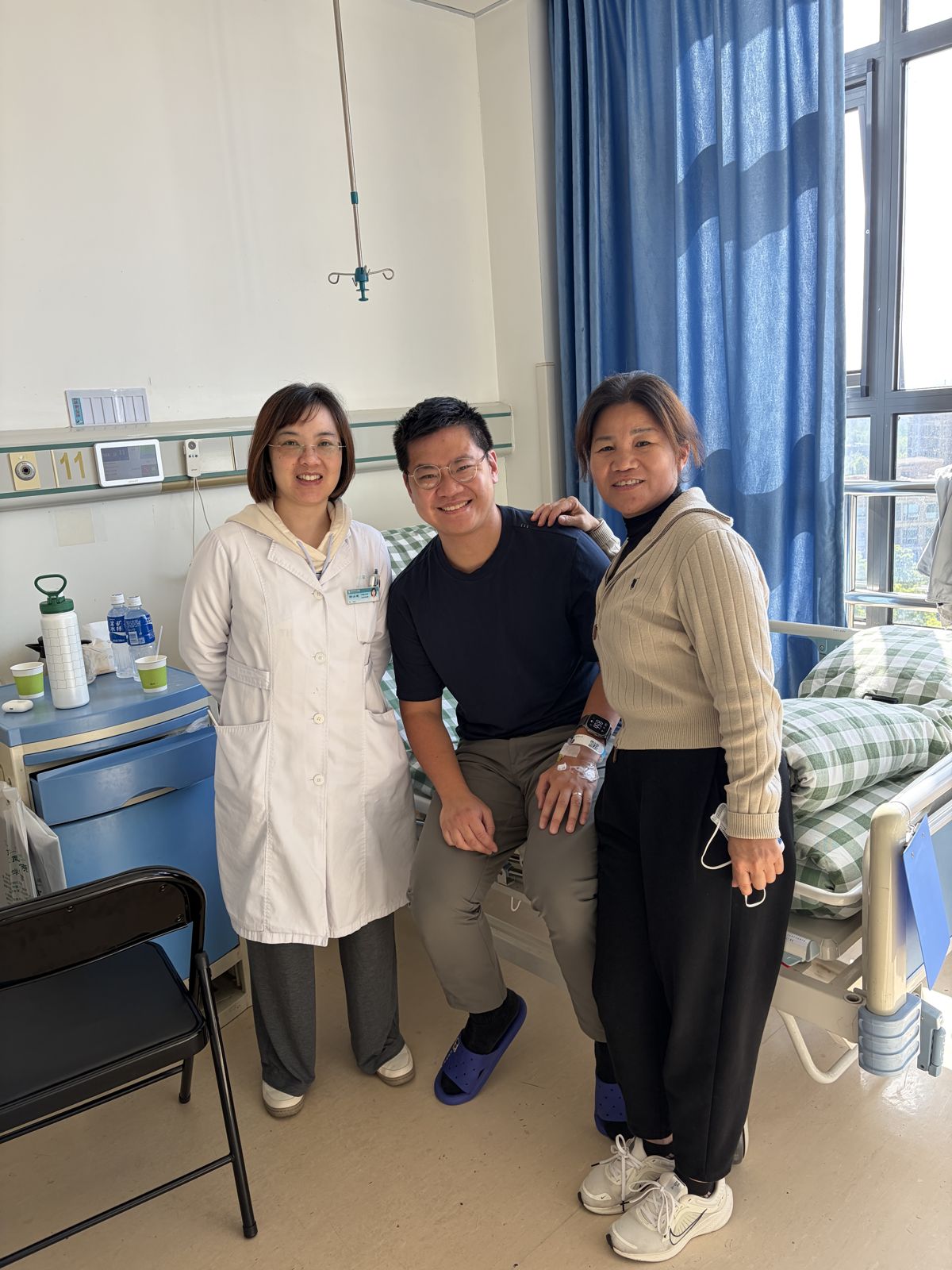
My neurologist, myself, and my aunt. My aunt took care of me for over 2 weeks while I was sick.
My epiphany is that good employer-based health insurance is a blessing and a curse, and not having it is a huge trade-off for a little more freedom.
And so, the triple trifecta that started forming a newer, healthier philosophy on work formed: not to do a job for a TON of money, but enough to make you happy. And that a job, even though aspects of it are annoying, gives one an easy-to-find daily purpose and a backup plan for health.
That was good enough for me. Around month six, after recovering from my medical emergency, I started looking for a new job again.
On finding a job in a terrible economy
It’s not a secret that finding a job is extremely difficult right now. I just started my part-time Master’s program at UPenn, and some of my fellow students aren’t having a good time in this market. But I’ve found that if you already have 5+ years of experience, you already have it much easier than some other people.
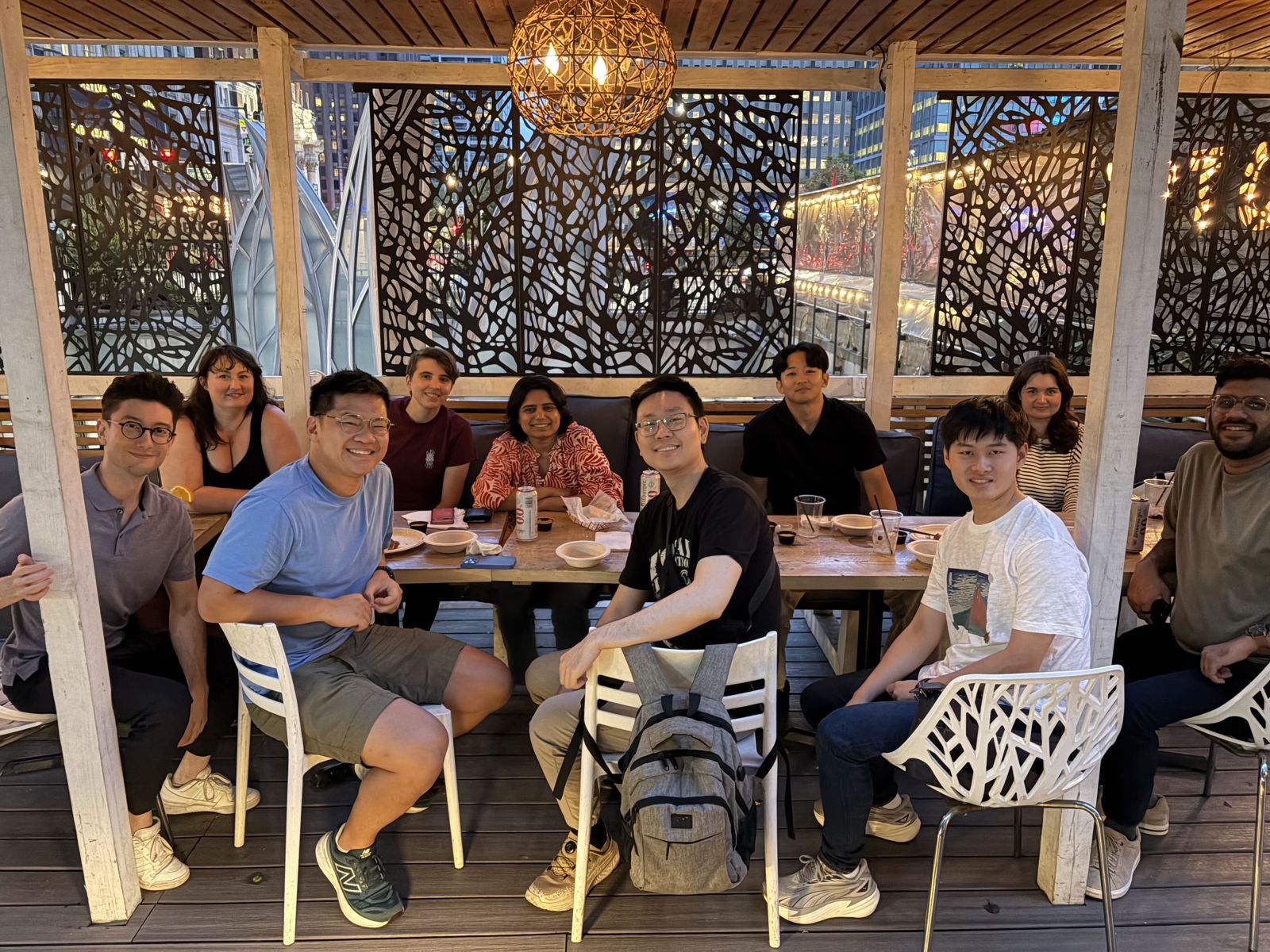
Me with others from the UPenn MSE-AI Program
It definitely wasn’t as booming as it was prior to 2020: there was less recruiter traffic through my inbox when I started looking, but I was still able to get the attention of a few. And while I don’t think I’m at a place in my career where I can easily pass an interview with a frontier lab, I’ve found that if you are more relaxed about where you work, there are still a good number of great opportunities available for senior+ engineers, especially at start-ups and scale-ups.
Part of that required me to be more comfortable using every available avenue. Aside from reaching out to friends for referrals (of which I am thankful I spent all of those in-person years at Gusto and Cocoon), I found that using agency recruiters was extraordinarily helpful (imagine scoring 4 interviews at once!) and that replying to every email or LinkedIn post is a good strategy. There’s no need to be picky before you get to the offer stage.
The bar for interviews now is much higher and more random as well. Honestly, I did not get a chance to do an AI interview (I was very eager to try one out!), but I felt like the focus of interviewing has shifted away from LeetCode and more towards system design, leadership, and behavioral questions. HelloInterview (not sponsored) was probably the best resource for me on all of these fronts.
On whether it’s good to take a break from work
I think so. By the time I landed my job with Ashby, I was very much excited and refreshed to go back to work, mostly because I felt like I had spent some time sharpening my principles on why I liked the work I did in the first place.
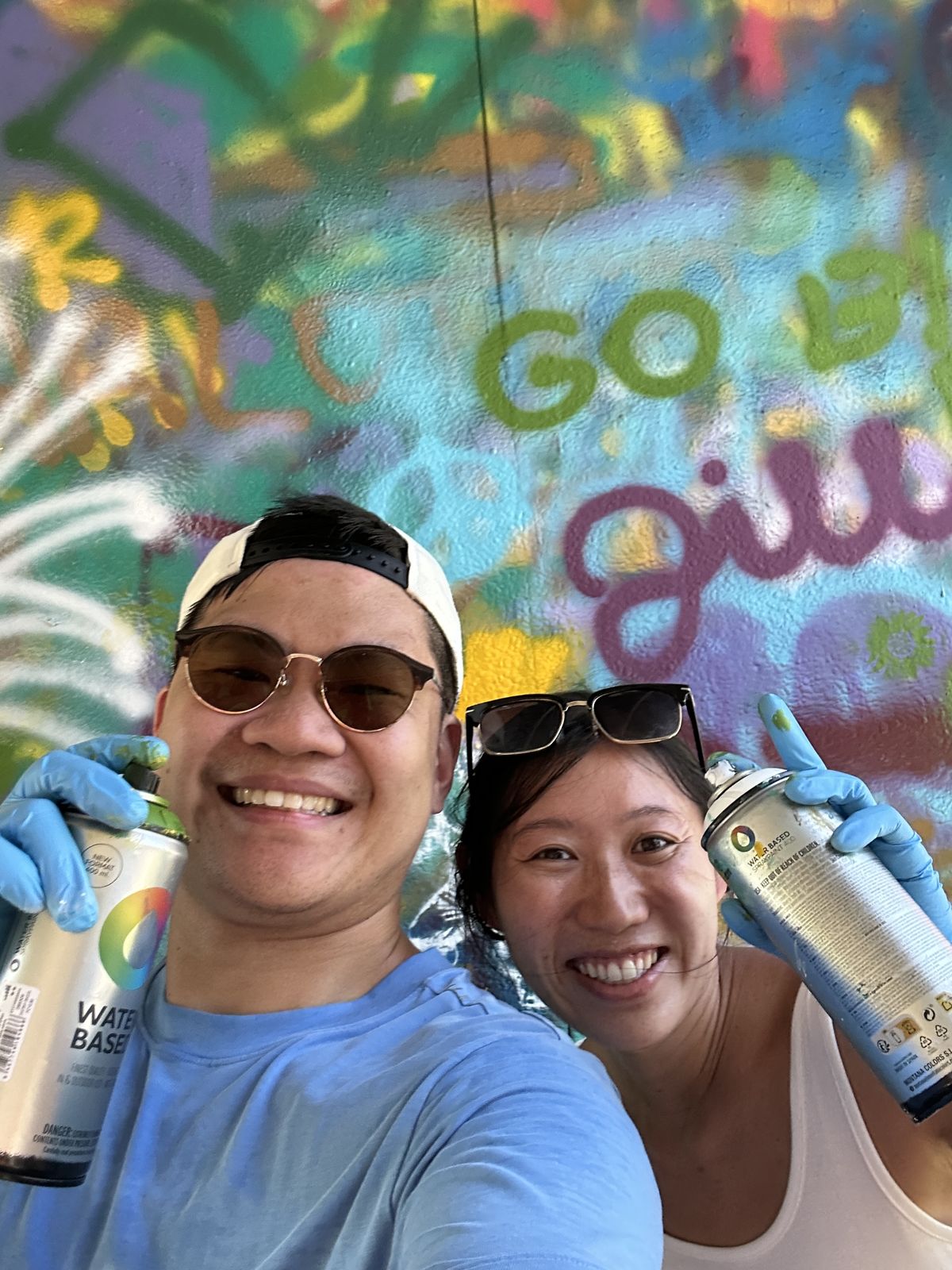
My wife and I in Miami, the last place we visited during our break. I'm lucky to have her!
It was easy to forget why when you’re constantly working. I easily get overwhelmed by my network’s achievements on social media, and it can feel like there’s a never-ending stream of work once you really get going in any role. Sometimes, it was easier to just give up on myself than to really keep pushing myself forward.
Realizing that constantly pushing yourself to move forward, to be greater and better, to burn a candle at both ends, means you eventually run out of candle. And that humans need quality rest to prepare for the next big push. I’m so lucky and privileged to have been able to afford this quality time to rest for myself, and if you have the budget and the timing is right for you, you should take the leap. Your career and mental health will thank you for it.